In today’s digital age, a fast and reliable internet connection is crucial, particularly for users who primarily stream content, play games, attend video conferences, or transfer large files. With the surge in demand for high-speed internet, many are either seeking a new broadband connection or evaluating the best Wi-Fi plans available. The debate between wired and wireless broadband is more relevant than ever. In this article, we’ll break down the differences, reliability factors, and which option stands out for heavy usage.
Understanding Wired and Wireless Broadband
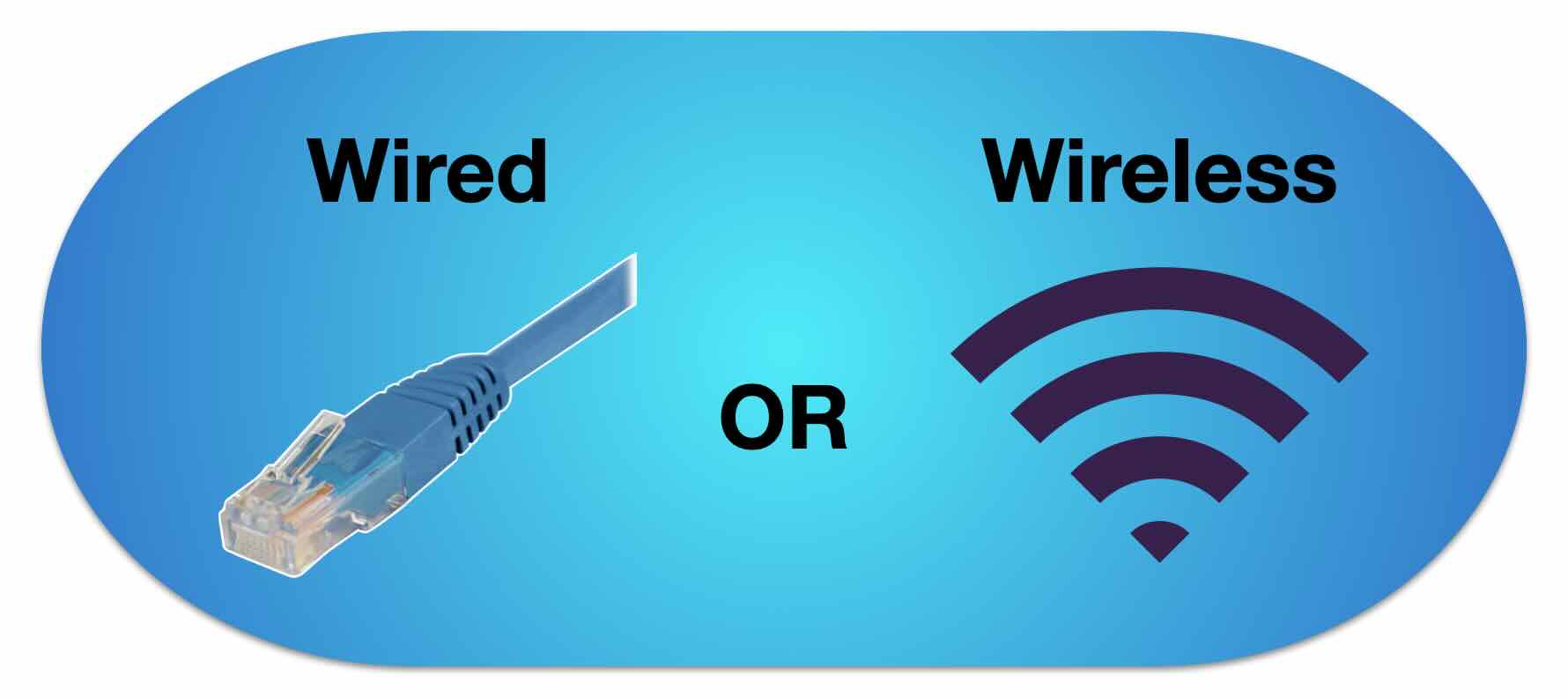
Wired broadband typically refers to internet delivered via physical cables, including fibre optics, DSL, or Ethernet. This connection runs directly from your Internet Service Provider (ISP) to your home or office and then to your devices via cables.
Wireless broadband, on the other hand, transmits data over the air using radio waves. This includes Wi-Fi networks within your premises and fixed wireless connections from local towers. It’s known for its convenience and portability, allowing devices to connect without being tethered to cables.
Reliability Factors for Heavy Usage
When evaluating reliability for heavy usage, several factors come into play:
1. Speed and Consistency
- Wired broadband offers consistently higher speeds and stable performance, regardless of the number of connected devices or their location within the premises. Ethernet and fibre connections are engineered for minimal fluctuations, making them ideal for activities like 4K streaming, large downloads, or online gaming.
- Wireless broadband speeds can fluctuate due to signal interference, distance from the router, or the number of devices connected. Even with advancements such as Wi-Fi 7, which promises low latency and high throughput, wireless is still susceptible to environmental factors and network congestion.
2. Latency and Lag
- Wired connections have significantly lower latency, which means less lag during real-time activities such as gaming, video calls, or cloud-based work. This is an essential advantage for professionals and enthusiasts who require instant data transmission.
- Wireless connections generally have higher latency, although modern Wi-Fi standards are closing this gap. However, interference from walls, other electronics, or even weather can still introduce delays.
3. Reliability and Uptime
- Wired broadband is less prone to outages caused by weather, physical obstructions, or electromagnetic interference. Once installed, it delivers a stable connection with minimal downtime—a must for uninterrupted work or entertainment.
- Wireless broadband can be affected by rain, wind, or obstacles between the transmitter and receiver. In urban areas, network congestion during peak hours can further impact reliability.
4. Security
- Wired networks are inherently more secure because data travels through physical cables, making unauthorized access much more difficult.
- Wireless networks are more vulnerable to interception unless robust encryption and security measures are in place.
Practical Considerations
While wired broadband excels in reliability, wireless has its advantages:
| Feature | Wired Broadband | Wireless Broadband |
| Installation | Requires cabling, setup time | Easy, often plug-and-play |
| Portability | Fixed, not portable | Highly portable, flexible |
| Coverage | Limited to cable reach | Wide, including remote areas |
| Cost | Higher initial setup | Lower setup, sometimes cheaper |
The Verdict for Heavy Users
Finding a new broadband connection near you doesn’t have to be a difficult choice. For heavy users—such as gamers, streamers, remote workers, or large households—wired broadband is generally more reliable.
- Consistent Speeds: Wired connections deliver the advertised speeds, unaffected by most forms of interference or the number of connected devices.
- Low Latency: Essential for gaming, video conferencing, and real-time collaboration.
- Better Security: Physical connections are less susceptible to hacking or unauthorized access.
- Higher Data Allowances: Wired plans often come with higher or unlimited data caps, which are crucial for heavy usage.
Wireless broadband can be useful if:
- You need portability or internet in areas where cables can’t reach.
- Your usage is moderate, or you’re on a budget.
- You prioritize quick and easy setup over maximum performance.
Modern Wi-Fi and Hybrid Solutions
Advancements like Wi-Fi 7 are narrowing the performance gap, offering high speeds and reliability for wireless users. Many heavy users now deploy a hybrid setup, utilizing a wired connection for primary devices (such as PCs, gaming consoles, and smart TVs) and a wireless connection for mobile devices and guests. This approach combines the reliability of wired networks with the flexibility of wireless networks.
The Final Word
For heavy internet usage, wired broadband is the clear winner in terms of reliability, speed, and security. While wireless broadband has improved dramatically and offers unmatched convenience, it still can’t match the consistency and performance of a dedicated wired connection for demanding tasks.
If you’re looking for a new broadband connection or the latest Wi-Fi plans, prioritize fibre or Ethernet options such as Airtel Broadband for the most dependable experience.
Choose wisely based on your usage patterns, location, and need for reliability. For most heavy users, wired broadband remains the gold standard.
Disclaimer: The offers and prices mentioned here are subject to change. Please visit Airtel’s official website for the latest information.
References
- https://www.sfcable.com/blog/wired-vs-wireless
- https://nectmodem.com/wired-internet-connection-vs-wireless/
- https://www.meter.com/resources/wired-vs-wireless-networks
- https://www.cnet.com/home/internet/best-internet-providers/